
general
How AI Search is Changing SEO in 2026
May 23, 2026 · By Ajmal Rishan
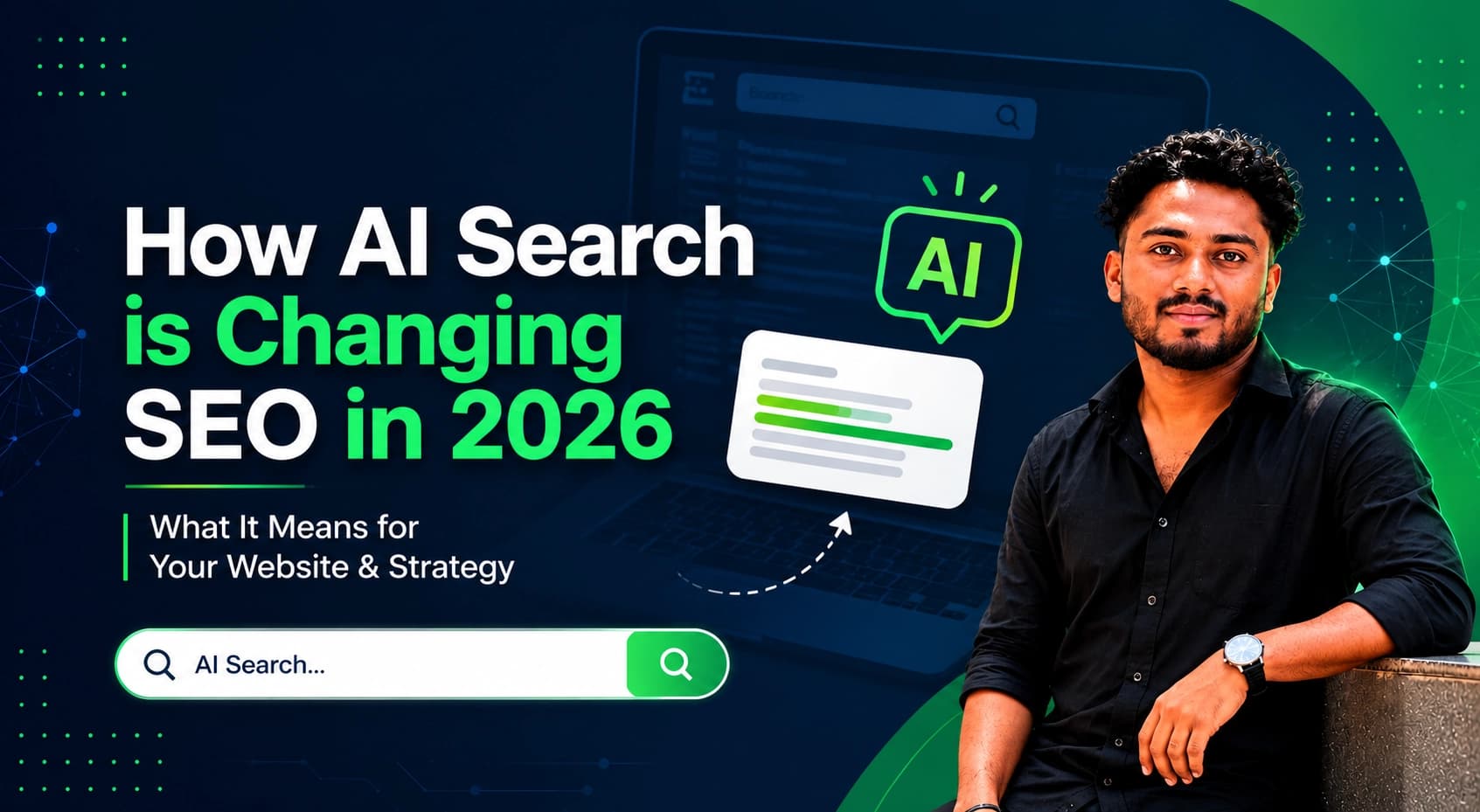

SEO is changing faster than ever before. A few years ago, ranking a website was mainly about keywords, backlinks, and publishing regular content. But SEO in 2026, the entire search landscape is evolving because of Artificial Intelligence. Today, search engines are becoming smarter. Google no longer focuses only on matching keywords. Instead, it tries to understand what users actually mean when they search. With AI-powered search experiences like Google AI Overviews and conversational search results, SEO professionals now need to think differently.
As someone working in SEO and training students in digital marketing course, I strongly feel that AI is not killing SEO. Instead, it is changing the way SEO works. Businesses and marketers who adapt to these changes early will have a huge advantage in the coming years. In this blog, let’s explore how AI search is changing SEO in 2026 and what modern SEO professionals should focus on to stay ahead.
What is AI Search?
AI search refers to search engines using artificial intelligence technologies such as machine learning, natural language processing, and user behavior analysis to deliver more relevant search results. Earlier, search engines mainly depended on exact keywords. But now, AI helps search engines understand:
- User intent
- Context of the query
- Search behavior
- Content relevance
- Topic relationships
This is why Google can now provide direct answers, AI-generated summaries, and conversational responses directly on the search results page. For SEO experts, this means ranking strategies are becoming more advanced and user-focused.
SEO is No Longer Just About Keywords
One of the biggest changes happening in SEO is the reduced importance of exact keyword matching. Earlier, many websites ranked simply by repeating the same keyword multiple times. But now, AI search engines can understand the meaning behind content.
For example, if someone searches: “Best way to learn digital marketing in 2026” Google understands the user may be looking for:
- Digital marketing courses
- SEO learning resources
- Career opportunities
- Online certifications
- Practical training programs
Because of this, modern SEO content should focus more on solving user problems naturally instead of stuffing keywords unnaturally.
Search Intent is Becoming More Important
In 2026, search intent plays a major role in rankings. AI search engines analyze why users are searching for something. They try to identify whether the user wants:
- Information
- A product
- A service
- A comparison
- A quick answer
This means content creators must understand the actual purpose behind a keyword.
For example: The keyword- “SEO course” can have different intents:
- Someone wants to learn SEO
- Someone wants course fees
- Someone wants certification details
- Someone wants placement support
Creating content that directly satisfies user intent will perform much better in AI-powered search results.
Google AI Overviews are Changing Organic Traffic
One major SEO shift in 2026 is the growth of Google AI-generated answers. Instead of showing only website links, Google now displays AI-generated summaries at the top of search results. Users often get quick answers without clicking multiple websites.
This is creating more:
- Zero-click searches
- Lower organic CTR
- Increased competition for visibility
Because of this, websites must now create highly valuable and in-depth content to attract clicks. Simple generic blogs are no longer enough.
Topical Authority Matters More Than Ever
AI search engines prefer websites that consistently publish high-quality content around a specific niche. This is called topical authority.
For example, if a website regularly publishes content related to:
- SEO
- Technical SEO
- AI SEO
- Google updates
- Local SEO
- Content marketing
- Search intent
Google starts recognizing that website as an authority source in digital marketing. This is why random blogging strategies are becoming less effective. Instead of publishing content on unrelated topics, websites should build strong topic clusters.
Semantic SEO is Replacing Traditional SEO
Another major shift happening SEO in 2026 is the rise of Semantic SEO. AI search engines understand relationships between words, concepts, and entities. They no longer depend only on exact-match keywords. For example, a blog about “digital marketing course” may also naturally include terms like:
- SEO training
- Google Ads
- AI marketing
- Career opportunities
- Social media marketing
- Placement assistance
All these related terms help search engines understand the overall topic better. This is why modern SEO writing should sound natural and human-focused.
EEAT is Becoming a Major Ranking Factor
Google now gives strong importance to:
- Experience
- Expertise
- Authoritativeness
- Trustworthiness
This is commonly called EEAT. SEO in 2026, websites with real experience and original insights have a better chance of ranking compared to websites publishing generic AI-written content. As an SEO professional or trainer, sharing:
- Real experiences
- Industry insights
- Practical case studies
- Client results
- SEO experiments
can improve both trust and rankings. Search engines now prefer authentic content written by people with actual knowledge and practical experience.
AI Content Alone Cannot Rank Websites
Many people believe AI tools can completely automate SEO content creation. But the reality is different. AI tools can definitely help with:
- Content ideas
- Research
- Topic generation
- Content structuring
But fully AI-generated content without human editing often lacks:
- Real experience
- Original opinions
- Emotional connection
- Practical understanding
Google is becoming smarter at identifying low-value content created only for rankings. That is why humanized, experience-based content is becoming more important in modern SEO.
Voice Search and Conversational Queries Are Increasing
AI-powered voice assistants are changing the way people search online. Instead of typing short keywords, users now search conversationally. For example: Instead of: “best SEO course Kerala” Users may search: “Which is the best place to learn SEO with practical training in Kerala?” This means content should be optimized for conversational search queries.
Adding:
- FAQs
- Natural language
- Long-tail keywords
- Direct answers
can help improve visibility in AI-powered search results.
Technical SEO Still Matters
Even though AI is transforming SEO, technical optimization is still extremely important. Search engines still prioritize websites that offer:
- Fast loading speed
- Mobile responsiveness
- Secure browsing
- Good user experience
- Proper website structure
Core Web Vitals also continue to impact rankings. Important technical SEO areas in 2026 include:
- Page speed optimization
- Schema markup
- Mobile optimization
- Crawlability
- Indexing
- Internal linking
Without strong technical SEO, even good content may struggle to rank.
The Future of SEO in the AI Era
SEO is not disappearing because of AI. In fact, SEO is becoming more advanced and more strategic. The future of SEO will focus more on:
- User experience
- Helpful content
- Semantic relevance
- Entity optimization
- Brand authority
- Human expertise
SEO professionals who continuously learn and adapt to AI-driven search changes will have better opportunities in the future. Businesses also need SEO experts who understand both AI tools and human-centered optimization strategies.
Frequently Asked Questions
What is AI Search in SEO?
AI search refers to search engines using artificial intelligence, machine learning, and natural language processing to understand user intent and deliver more accurate search results. In 2026, AI search focuses more on context, relevance, and user experience rather than just keywords.
How is AI changing SEO in 2026?
AI is changing SEO in 2026 by improving how search engines understand content and user intent. Search engines now prioritize:
- Helpful content
- Semantic relevance
- User experience
- EEAT (Experience, Expertise, Authoritativeness, Trustworthiness)
- Conversational search queries
Traditional keyword stuffing techniques are becoming less effective.
What is Google AI Overview?
Google AI Overview is an AI-generated summary shown directly on search engine results pages. It provides quick answers to users without requiring them to visit multiple websites. This feature is changing how websites gain organic traffic.
What is Semantic SEO?
Semantic SEO is the process of optimizing content based on meaning, context, and topic relationships rather than repeating exact keywords. It helps search engines better understand the overall subject of a webpage.
What are the important SEO trends in 2026?
Some major SEO trends in 2026 include:
- AI-powered search
- Search intent optimization
- Semantic SEO
- Voice search optimization
- EEAT-focused content
- Technical SEO improvements
- Topical authority building
- Conversational content strategies
What is the future of SEO after AI?
The future of SEO will focus more on:
- Human-centered content
- AI-assisted optimization
- User experience
- Brand authority
- Semantic relevance
- Helpful and trustworthy information
SEO will continue evolving alongside AI technologies.

Author
Ajmal Rishan
SEO Expert cum Trainer
* Join Techoriz
Ready to master digital marketing?
Learn with Kerala's first ISO-certified agency-based digital marketing academy. Get expert training, live projects, and 95% placement support.
Keep reading
Related Posts
 general
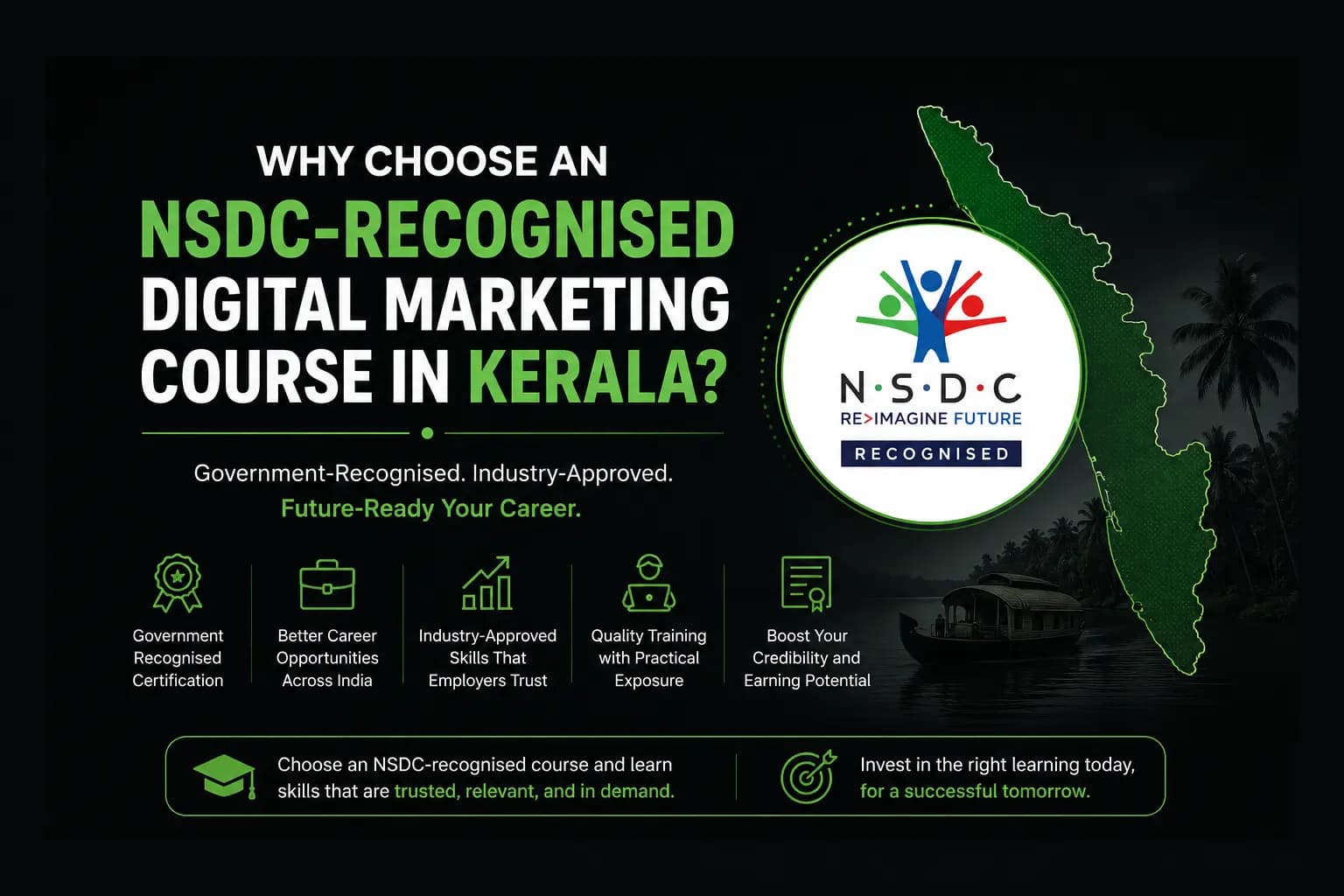
Why Choose a NSDC-Recognised Digital Marketing Course in Kerala?
Why Choose a NSDC-Recognised Digital Marketing Course in Kerala? If you’ve spent […]
August 1, 2026 · Ajmal Rishan
 general
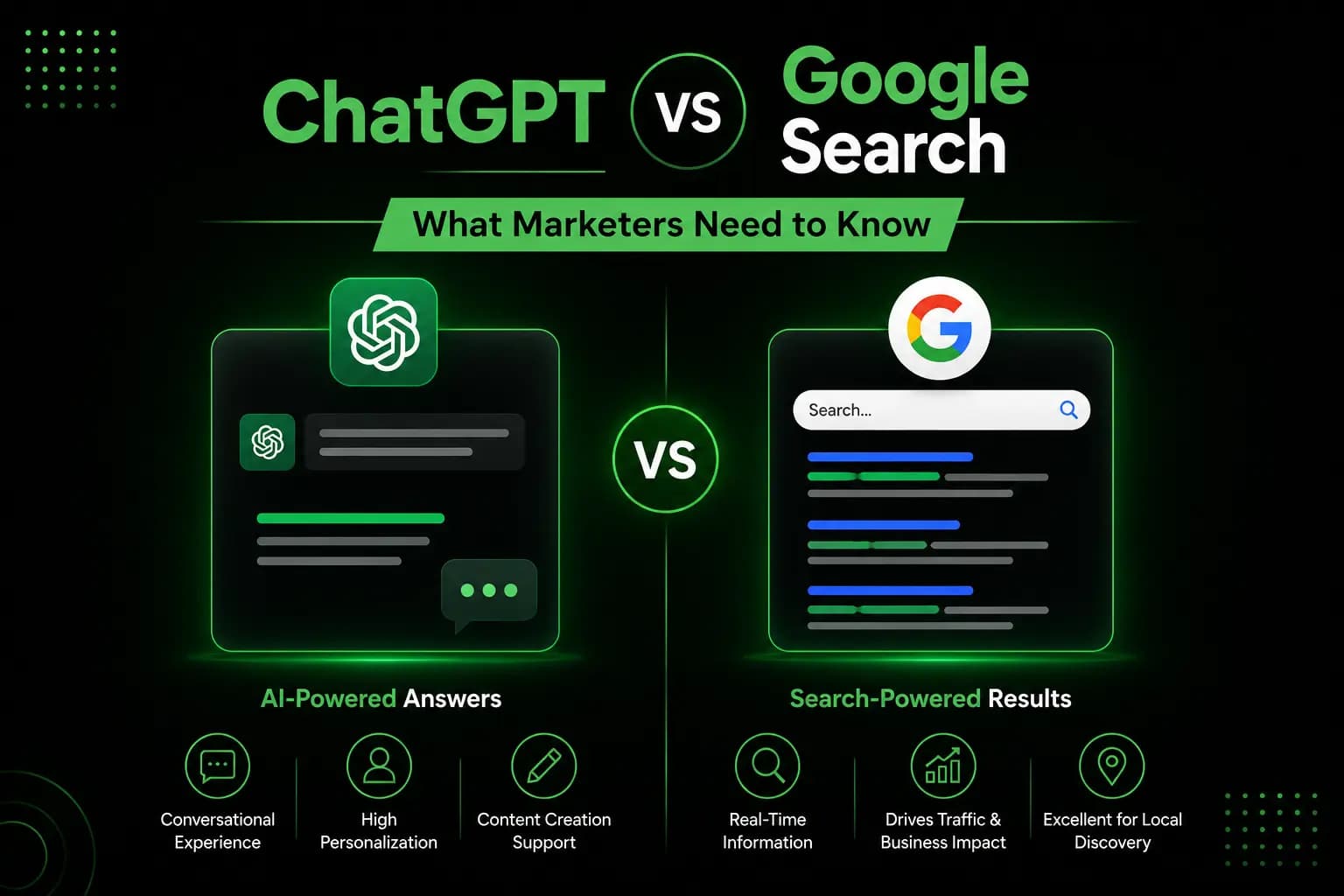
ChatGPT vs Google Search: What Marketers Need to Know
For more than two decades, search engines have shaped the way people […]
July 31, 2026 · Shahala Sherin
 general
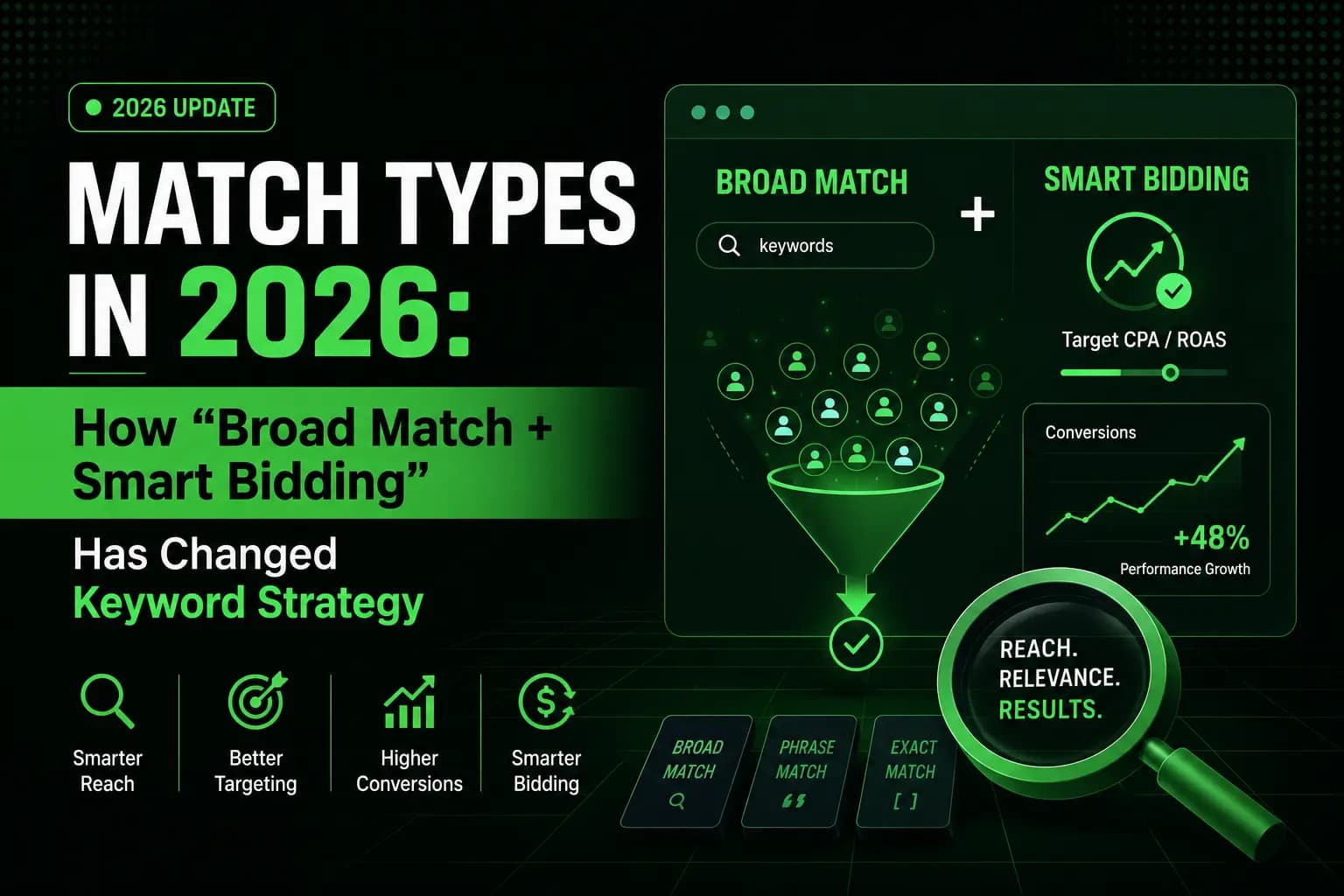
Match Types in 2026: How “Broad Match + Smart Bidding” Has Changed Keyword Strategy
Match Types in 2026: How “Broad Match + Smart Bidding” Has Changed […]
July 29, 2026 · Megha