
general
How to Do an SEO Audit Like an Agency
June 17, 2026 · By Ajmal Rishan
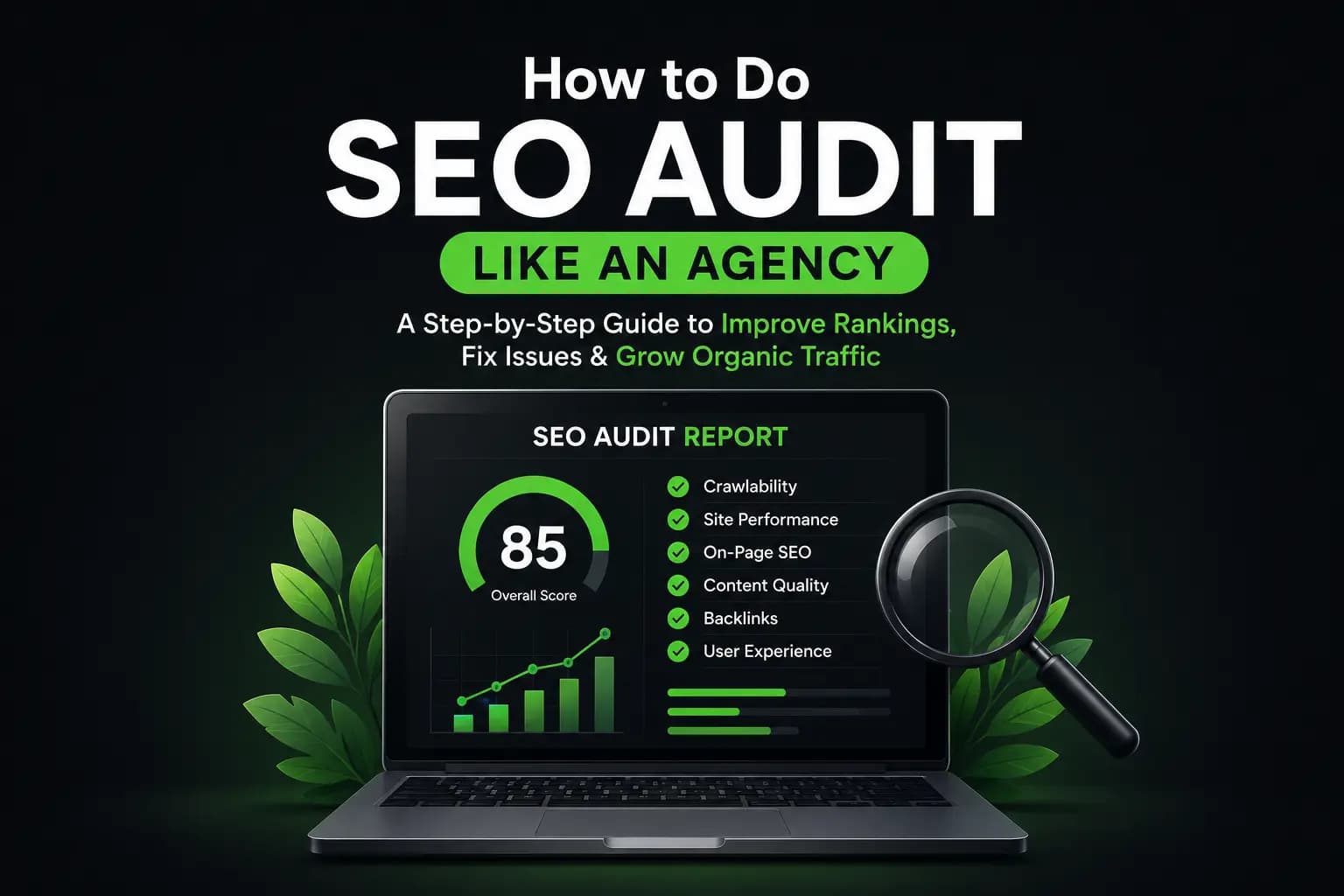
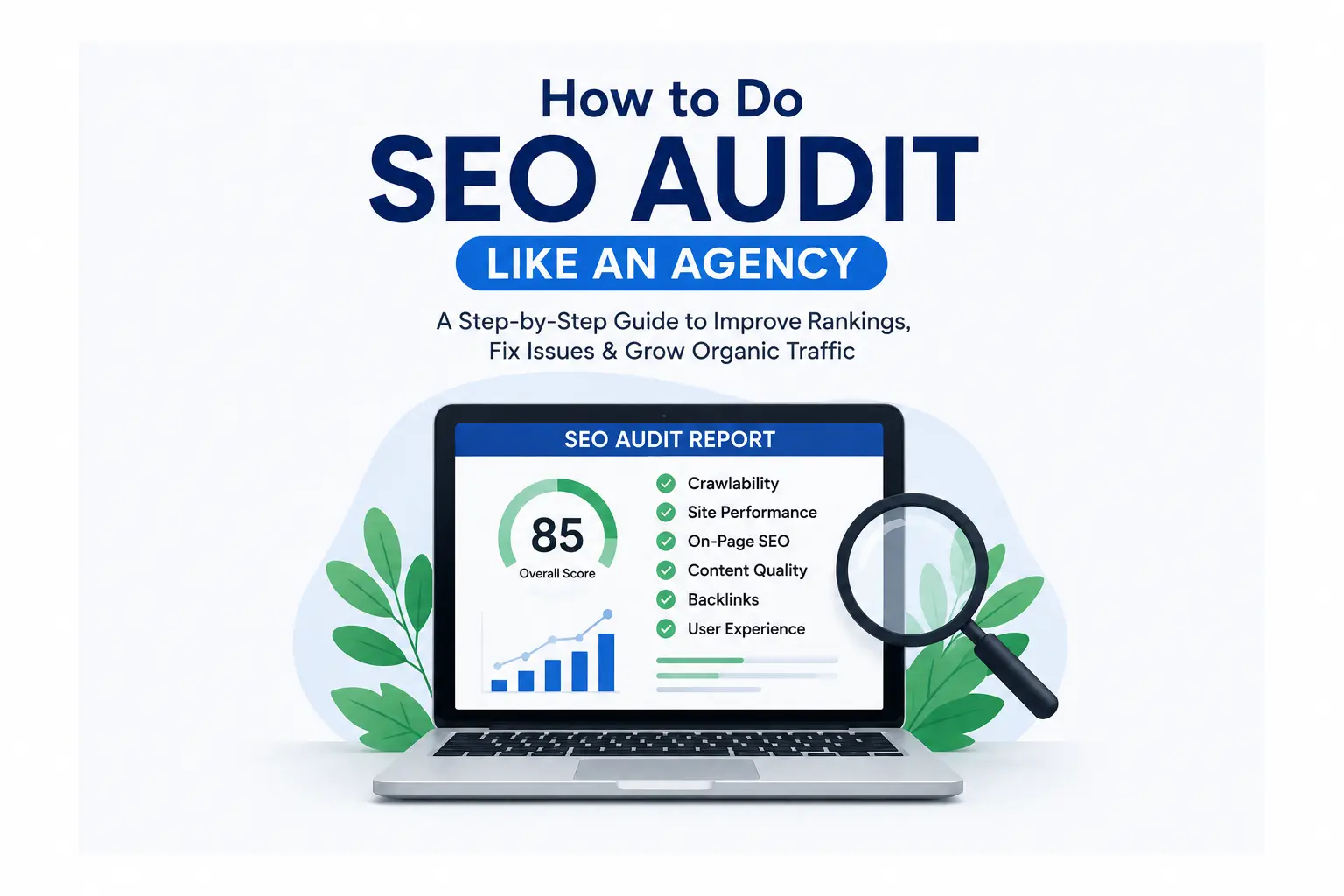
Imagine visiting a doctor for a regular health check-up. Before prescribing any treatment, the doctor examines your overall health, identifies concerns, and recommends improvements. An SEO audit works in much the same way for your website.
Most businesses spend time and money developing websites, but rarely do they evaluate how well their sites are performing in the search engines. Technical issues, poor user experience, and outdated SEO practices are silently holding them back from reaching their full potential.
Digital marketing agencies will perform a thorough SEO audit to uncover these issues and develop a plan to improve rankings and increase traffic. The good news is? You don’t need a big agency budget to get the process. Do an SEO audit like a pro with the proper approach.
What is an SEO Audit Report?
An SEO audit report is a deep dive into a site’s ability to rank on search engines. It assesses technical performance, on-page optimization, content quality, user experience and off-page elements to recognize strengths and weaknesses.
The core purpose is simple: Figure out what is making your website grow and fix whatever is holding it back from doing better
Step 1: Review Website Visibility and Organic Performance
Before diving into technical details, agencies first look at the bigger picture.
Ask questions such as:
- How much organic traffic is the website receiving?
- Which pages attract the most visitors?
- What keywords currently generate traffic?
- Have rankings improved or declined recently?
Tools like Google Analytics and Google Search Console provide valuable insights into how users discover and interact with your website.
Understanding your current position establishes a benchmark against which future improvements can be measured.
Step 2: Check Indexability and Crawlability
If search engines cannot access your pages, even the best content won’t rank.
During this stage, review:
- Robots.txt file settings
- XML sitemap availability
- Noindex tags on important pages
- Crawl errors reported in Search Console
- Broken internal links
- Redirect chains
Think of search engine crawlers as visitors exploring your website. The easier you make their journey, the better they can understand and index your content.
Step 3: Analyze Technical SEO Health
Technical SEO forms the foundation of a high-performing website.
Agency audits typically examine:
Website Speed
Slow-loading pages frustrate users and can negatively affect rankings.
Evaluate:
- Core Web Vitals
- Server response time
- Image optimization
- Unused JavaScript and CSS files
- Browser caching
Even a delay of a few seconds can increase bounce rates significantly.
Mobile Friendliness
Since Google primarily uses mobile-first indexing, your website must function smoothly on smartphones and tablets.
Review:
- Responsive design
- Font readability
- Touch element spacing
- Mobile page loading speed
HTTPS Security
Secure websites build trust and protect user information. Ensure that every page loads through HTTPS without mixed-content warnings.
Step 4: Audit On-Page SEO Elements
Once the technical foundation is strong, agencies evaluate individual pages.
Key areas include:
Title Tags
Are titles unique, descriptive, and aligned with target keywords?
A strong title improves both rankings and click-through rates.
Meta Descriptions
While meta descriptions may not directly influence rankings, compelling descriptions encourage users to click.
Heading Structure
Check whether pages use headings logically:
- One H1 per page
- Clear H2 and H3 hierarchy
- Relevant keyword usage without overstuffing
URL Structure
URLs should be concise, descriptive, and easy to understand.
For example:
Good: example.com/seo-audit-guide
Less Effective: example.com/page?id=4587
Step 5: Evaluate Content Quality
Content remains one of the strongest ranking factors. Agencies assess whether content genuinely satisfies user intent. Consider the following questions:
- Does the content answer users’ questions clearly?
- Is the information accurate and up to date?
- Are there opportunities to improve depth and usefulness?
- Is there duplicate or thin content?
- Are important topics adequately covered?
Remember, SEO isn’t about writing for algorithms. It’s about creating valuable experiences for people. When content helps users solve problems, search engines are more likely to reward it.
Step 6: Review Internal Linking
Internal links guide both users and search engines through your website.
An effective internal linking strategy:
- Distributes authority across pages
- Helps search engines discover content
- Improves navigation
- Encourages users to explore further
Identify orphan pages—pages with no internal links pointing to them—as these often struggle to perform well.
Step 7: Examine Backlink Profile
Backlinks remain an important component of SEO.
However, quality matters far more than quantity.
During backlink analysis, agencies look for:
- Authoritative referring domains
- Spammy or toxic links
- Lost backlinks
- Opportunities for future link-building
A healthy backlink profile reflects trust and credibility within your industry.
Step 8: Analyze Competitors
One of the most valuable parts of an agency-style audit involves competitor research. Study competitors that consistently outrank your website.
Investigate:
- Keywords they target
- Content formats they use
- Backlink sources
- Technical strengths
- User experience elements
Competitor analysis isn’t about copying others. It’s about identifying opportunities to differentiate and improve.
Step 9: Prioritize Findings
One common mistake is trying to fix everything at once.
Agencies prioritize recommendations based on impact and effort.
A practical approach is to divide findings into categories:
High Priority
Things that actually impact rankings or user experience.
Examples:
- Pages Not To Be Indexed
- Broken site architecture
- Major speed issues
Medium Priority
Areas where performance can improve over time.
Examples:
- Missing meta descriptions
- Poor internal linking
- Content updates
Low Priority
Enhancements that provide incremental benefits.
Examples:
- Minor image optimizations
- Minor formatting improvements
Prioritization ensures that resources are used efficiently.
Step 10: Create an SEO Action Plan
An audit without implementation is simply a report. Transform insights into actionable tasks by assigning responsibilities and deadlines.
Your action plan might include:
- Fix technical errors within two weeks
- Update underperforming content monthly
- Improve internal linking across key pages
- Launch a backlink outreach campaign
- Monitor rankings and traffic regularly
SEO success comes from consistent optimization rather than one-time efforts.
Final Thoughts
An SEO audit report isn’t just a checklist exercise. It’s an opportunity to understand your website from both a search engine’s perspective and a user’s point of view. Agencies follow a structured process because effective SEO requires attention to detail, strategic thinking, and continuous improvement. Whether you’re a business owner, marketer, or aspiring SEO professional, learning how to conduct an SEO audit empowers you to identify opportunities that others might overlook.
The largest and most costly websites are not always the ones that rank highest in search results. They are frequently the ones who continuously assess, modify, and advance. Start with small changes, monitor the results, and keep refining your strategy. Over time, these incremental improvements can lead to significant growth in visibility, traffic, and conversions. Because in SEO, success rarely happens by accident—it happens through regular audits and informed action.
Frequently Asked Questions
1. What is an SEO audit?
A detailed analysis of a website’s search engine performance is called an SEO audit. It finds backlink opportunities, content issues, on-page optimization gaps, and technological problems that could affect rankings and organic traffic.
2. How often should I perform an SEO audit?
It is recommended that you conduct an SEO audit for the majority of websites every three to six months. Monthly audits, however, might be advantageous for websites that regularly generate material, go through redesigns, or work in competitive sectors.
3. What tools are used for an SEO audit report?
Google Search Console, Google Analytics, Google PageSpeed Insights, Screaming Frog, Ahrefs, Semrush, and GTmetrix are examples of popular SEO audit tools. These tools assist in determining performance indicators, keyword opportunities, and technical problems.
4. Can I do an SEO audit without hiring an agency?
Yes, Both free and paid SEO tools can be used to independently complete several parts of an SEO audit. Website owners can find and address significant SEO problems by using a systematic approach similar to used by an agency.
5. What are the main components of an SEO audit report?
An SEO audit report typically includes technical SEO analysis, on-page SEO review, content evaluation, internal linking assessment, backlink analysis, competitor research, and performance tracking.

Author
Ajmal Rishan
SEO Expert cum Trainer
* Join Techoriz
Ready to master digital marketing?
Learn with Kerala's first ISO-certified agency-based digital marketing academy. Get expert training, live projects, and 95% placement support.
Keep reading
Related Posts
 general
Why Choose a NSDC-Recognised Digital Marketing Course in Kerala?
Why Choose a NSDC-Recognised Digital Marketing Course in Kerala? If you’ve spent […]
August 1, 2026 · Ajmal Rishan
Read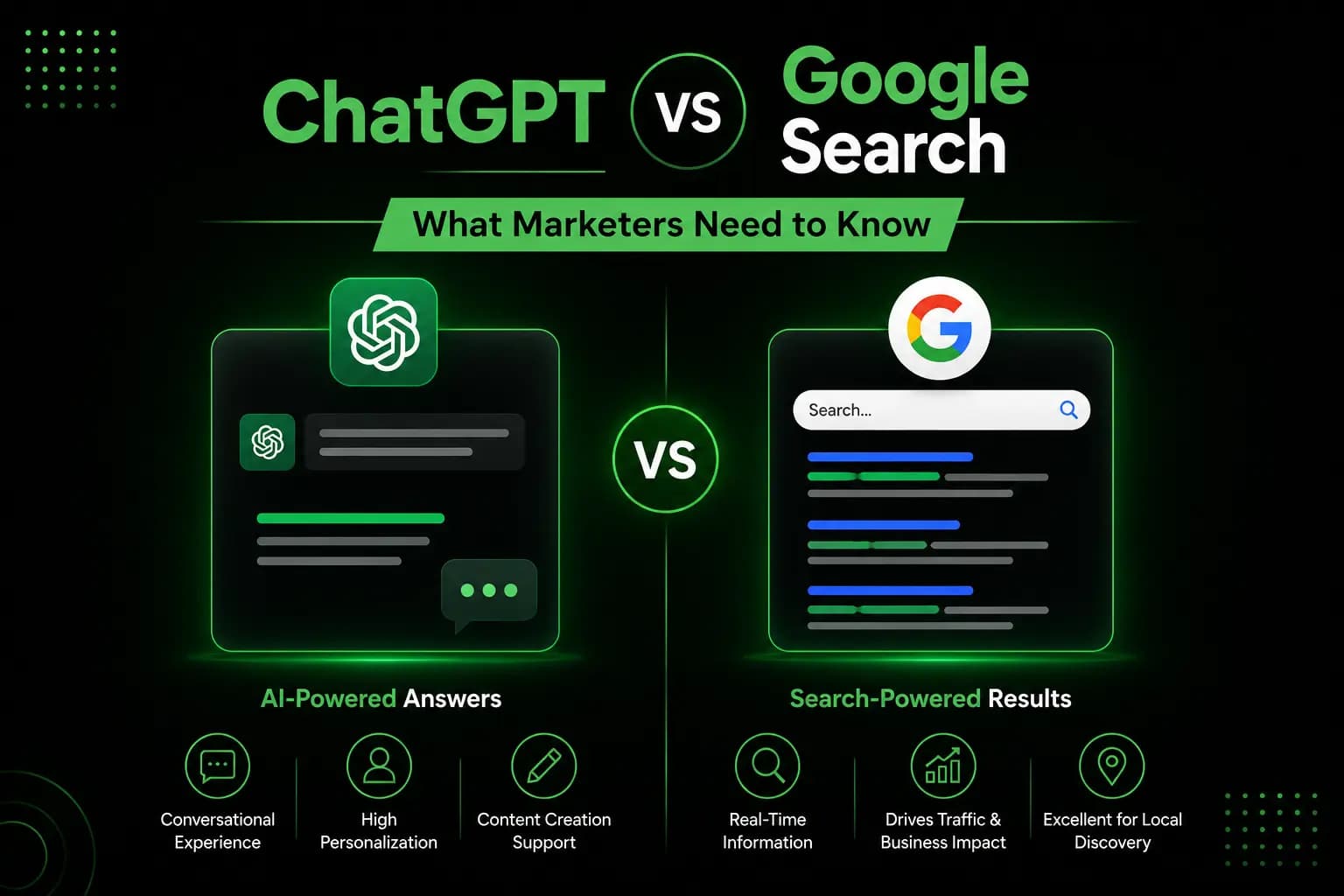 general
ChatGPT vs Google Search: What Marketers Need to Know
For more than two decades, search engines have shaped the way people […]
July 31, 2026 · Shahala Sherin
Read general
Match Types in 2026: How “Broad Match + Smart Bidding” Has Changed Keyword Strategy
Match Types in 2026: How “Broad Match + Smart Bidding” Has Changed […]
July 29, 2026 · Megha
Read